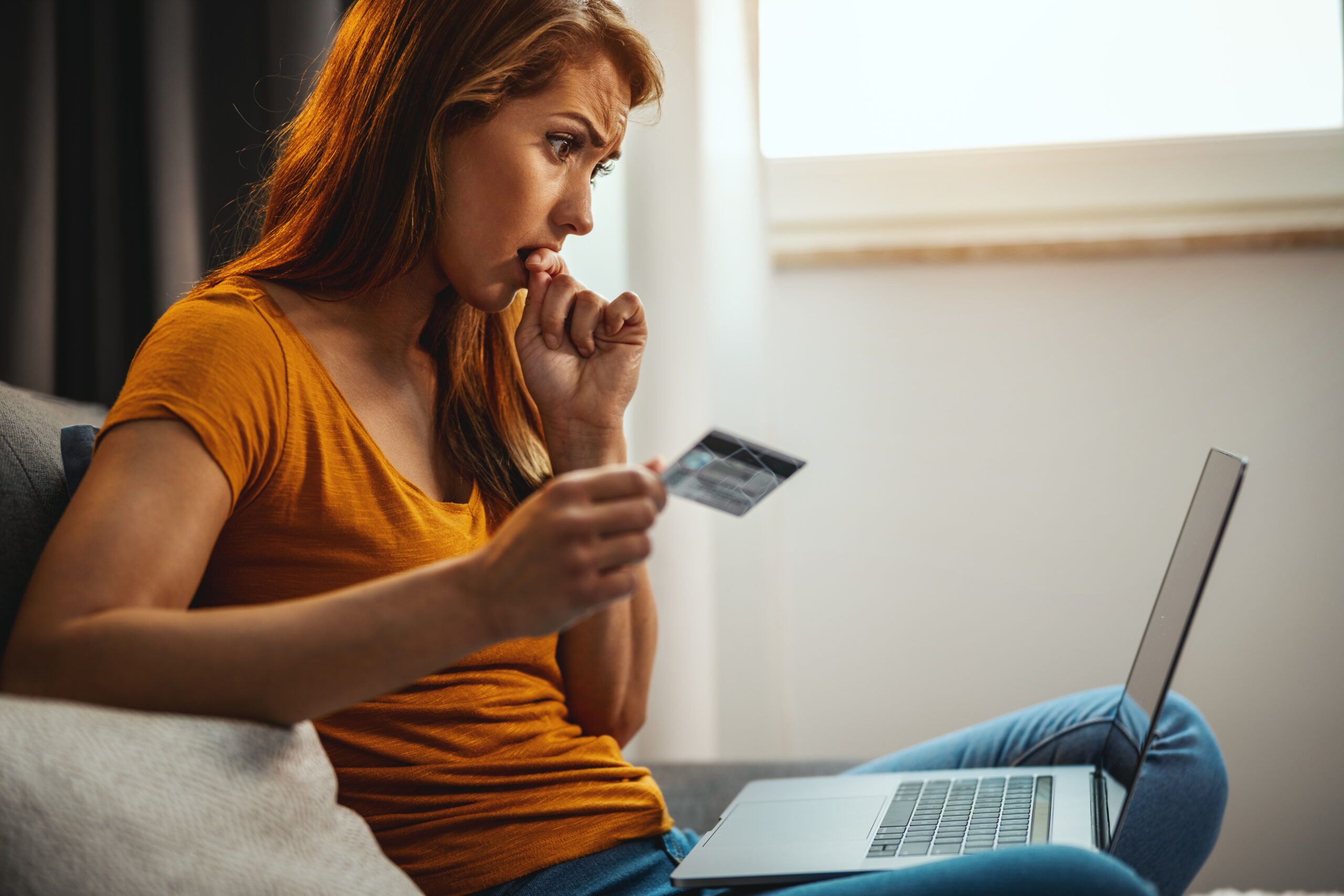
Online shopping scams happen when fake stores or listings take payment but never deliver products. Often, online storefronts are cloned and repurposed for the scam. They list desirable items but offer them at lower prices or advantageous conditions. Scammers advertise them on social media for maximum exposure. Sometimes, the goods are shipped, but they’re lower quality than advertised or are counterfeit. Other times, the goods never arrive at all.
Online shopping scams often emerge in some period of years where shopping peaks: Valentine’s day, Christmas, Boxing Day, Black Friday, Cyber Monday, Easter. During these periods, people lower their defenses and are more prone to spend on purchases from unknown merchants.
How it typically happens
- The scammers reach their victims through ads or social media promotions
- Prices are too good to be true (much lower than average market prices)
- The websites have fake checkout pages
- The customer receives no delivery or counterfeit goods.
Red flags
- Unrealistic discounts
- No verifiable contact info
- Poor website design
- Limited payment options (crypto or bank wire)
What to do
- Avoid unknown websites
- Use secure payment methods
- Monitor bank transactions
- Report fraudulent merchants
Useful articles on online scams
- What is an online scam?
- Types of online scams
- Scam victimology: why did they pick me?
- How scammers choose their targets
- Why so many scams go unreported
- Scam cases that made the news
- AI and the next wave of scams
