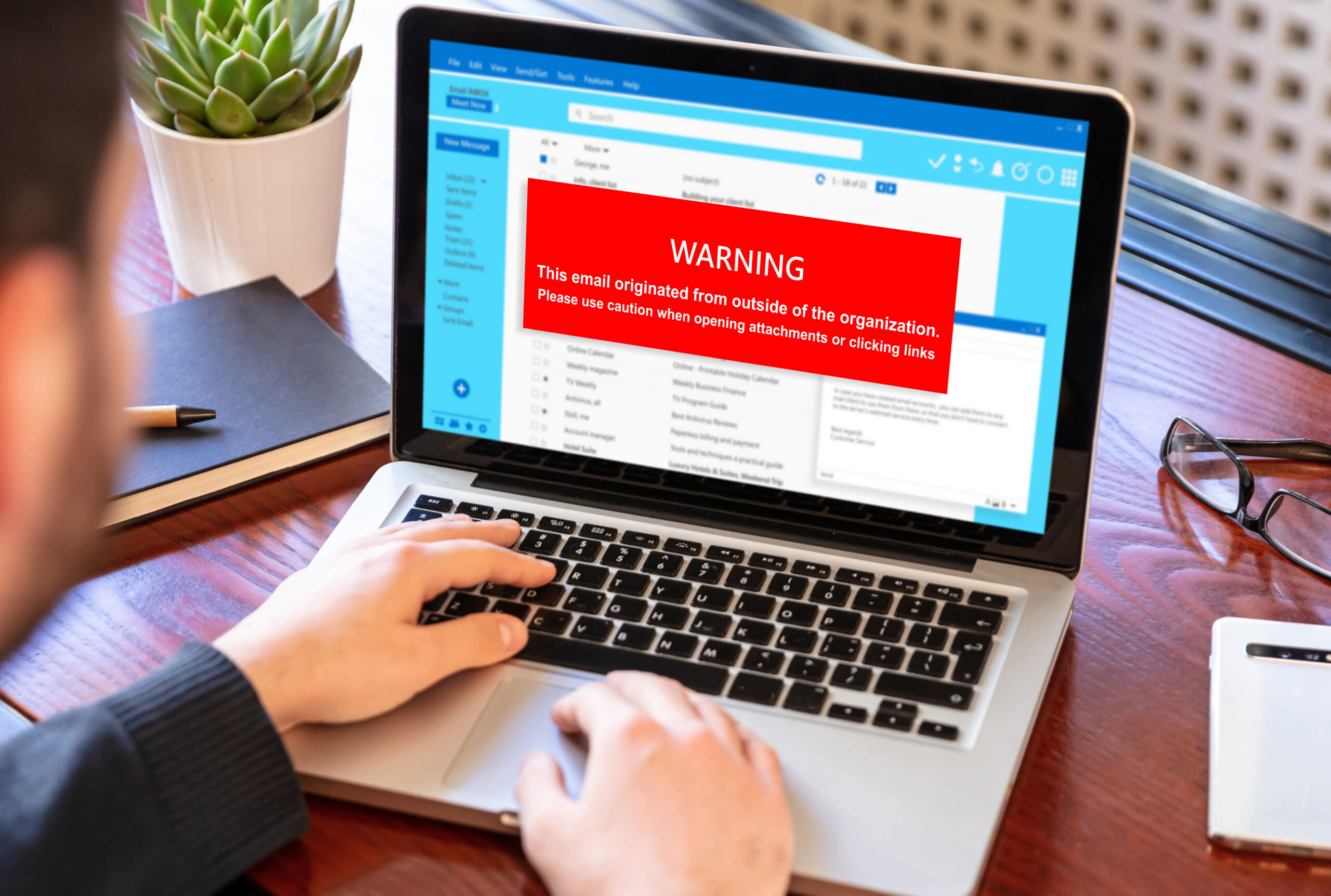
Online scams are becoming increasingly sophisticated, targeting individuals and businesses alike. While scammers constantly evolve their tactics, there are universal precautions you can take to significantly reduce your risk. Here’s a practical guide to safeguarding yourself online.
Strengthen your digital defenses
Use strong, unique passwords
- Create complex passwords (at least 12 characters, with a mix of letters, numbers, and symbols).
- Avoid reusing passwords across different sites.
- Use a password manager to securely store and generate passwords.
Enable Multi-Factor Authentication (MFA)
- MFA adds an extra layer of security by requiring a second form of verification (e.g., a code sent to your phone or generated by an app).
- Enable MFA on all critical accounts: email, banking, social media, and work-related platforms.
Keep your software and devices updated
- Regularly update your operating system, browsers, and apps to patch security vulnerabilities.
- Use reputable antivirus and anti-malware software and keep it up to date.
Be skeptical of unsolicited communications
Verify the source
- Be cautious of unexpected emails, texts, or calls, even if they appear to come from a trusted source.
- Check for red flags: Poor grammar, urgent requests, or suspicious links/attachments.
Don’t click on suspicious links
- Hover over links to see the actual URL before clicking.
- Avoid downloading attachments from unknown senders.
Never share personal or financial information
- Legitimate organizations will never ask for sensitive information (passwords, credit card numbers, Social Security numbers) via email or text.
- If in doubt, contact the organization directly using a verified phone number or website.
Secure your online accounts and transactions
Use secure networks
- Avoid public Wi-Fi for sensitive transactions (e.g., online banking).
- Use a VPN if you must access sensitive information on a public network.
Monitor your accounts regularly
- Check bank and credit card statements for unauthorized transactions.
- Set up alerts for unusual activity.
Be cautious with online payments
- Use secure payment methods (credit cards, PayPal, or trusted payment platforms).
- Avoid wire transfers or gift cards for payments to unknown parties.
Educate yourself and stay informed
Recognize common online scam tactics
- Phishing: Fake emails or websites designed to steal your information.
- Impersonation: Scammers pretending to be someone you trust (e.g., a family member, colleague, or authority figure).
- Too-good-to-be-true offers: Fake prizes, investments, or job opportunities.
Stay updated on the latest online scams
- Follow trusted sources (e.g., government cybersecurity agencies, consumer protection organizations).
- Share information with friends and family to help them stay safe.
Protect your personal information
Limit what you share online
- Be mindful of social media posts that reveal personal details (birth date, address, travel plans).
- Adjust privacy settings to restrict who can see your information.
Use secure disposal methods
- Shred documents containing sensitive information before throwing them away.
- Delete old accounts and emails you no longer use.
What to do if you suspect an online scam
- Do not engage with the scammer.
- Report the incident to the appropriate authorities (see How to Report a Scam).
- Warn others by sharing your experience on consumer protection platforms.
Have you encountered any suspicious online activity recently? What steps do you take to protect your personal information? Sharing your experiences can help others stay safe.
